Tag Archives: West Burlington IA

Honda vs Subaru for AWD Confidence and Everyday Family Driving in West Burlington, IA

Honda vs Subaru for AWD Confidence and Everyday Family Driving in West Burlington, IA

Brad Deery Honda – Honda vs Subaru for AWD Confidence and Everyday Family Driving in West Burlington, IA

For many shoppers around West Burlington, IA, the right vehicle has to do more than handle a daily commute. It may need to cover Highway 34 confidently, fit family errands around Burlington and Iowa City, make weekend drives toward Mount Pleasant or Fort Madison feel easier, and still be comfortable enough for longer trips across southeast Iowa or into western Illinois. That is why Honda and Subaru are often compared by local drivers who want practicality, safety technology, and available all-wheel-drive confidence in one well-rounded vehicle.

Subaru has built a strong reputation around standard Symmetrical All-Wheel Drive on most models, outdoorsy utility, and practical wagons and SUVs. Honda, meanwhile, stands out for balanced driving manners, refined interiors, efficient powertrain choices, broad model variety, and a long-running reputation for everyday dependability. If the real-world question is, “Which brand better fits daily family driving with occasional rough roads, changing conditions, and long-term ownership in West Burlington?” the answer depends on priorities. Subaru is a worthy competitor, but Honda offers a wider range of solutions for many local lifestyles.

At Brad Deery Honda, conveniently located at 501 West Agency Road in West Burlington, across from Walmart, we help shoppers compare these brands with a practical mindset. The goal is not just to choose a vehicle that looks good during a test drive. The goal is to choose one that fits school drop-offs, work commutes, groceries, road trips, service needs, cargo demands, and the way southeast Iowa drivers actually use vehicles day after day.

AWD confidence: standard Subaru traction vs Honda’s tailored approach

Subaru is often the first brand shoppers think of when all-wheel drive is a top priority. Most Subaru vehicles include Symmetrical All-Wheel Drive as standard equipment, which can be appealing for drivers who do not want to think through trim-by-trim availability. Models like the Outback, Forester, Crosstrek, and Ascent are known for confident traction on gravel lanes, wet pavement, and rural routes outside West Burlington. Subaru also offers features such as X-MODE® on select vehicles, which can help in lower-speed, low-traction situations.

Honda takes a more flexible approach. Instead of making AWD standard across most of the lineup, Honda gives shoppers the ability to choose the right setup for the job. Real Time AWD™ is available on popular SUVs like the Honda CR-V and Honda HR-V, while i-VTM4® AWD is used in more robust Honda vehicles such as the Pilot, Passport, and Ridgeline. For West Burlington drivers who want added confidence on rain-soaked roads, uneven gravel, or hilly routes near the Mississippi River area, Honda AWD systems provide smart, responsive traction without forcing every shopper into the same formula.

The advantage for Honda is choice. A commuter who drives mostly around town may prefer the efficiency and simplicity of a front-wheel-drive Honda. A family that regularly travels to rural properties, youth sports, or outdoor destinations may want Real Time AWD™ or i-VTM4® AWD. Subaru makes AWD easy by making it common; Honda makes AWD strategic by offering different systems across different vehicle types.

Everyday comfort and driving feel around West Burlington

Driving in and around West Burlington often means a mix of short errands, highway stretches, county roads, and stop-and-go traffic near shopping areas. Honda vehicles are known for blending comfort with composed handling, which matters when a vehicle is used every day. The Honda CR-V, for example, is frequently praised for its quiet cabin, smart cargo layout, and easy-to-drive nature. The Honda Accord brings a refined sedan experience for commuters, while the Honda Pilot provides three-row space with a smooth, family-friendly feel.

Subaru vehicles also offer a comfortable, practical experience, especially for shoppers who like wagon-like utility or a taller SUV seating position. The Outback, Forester, and Crosstrek are easy to see out of and generally well suited for active lifestyles. Subaru interiors are straightforward and useful, though some shoppers may prefer Honda’s cabin design, seat comfort, control layout, and overall sense of refinement during longer drives.

For many families, Honda’s advantage becomes clear during repeated daily use. Small things matter: how easy it is to load cargo, how naturally the controls fall to hand, how comfortable the seats feel after an hour on the road, and how smoothly the vehicle transitions from city streets to open highway. Honda tends to place a strong emphasis on making the entire driving experience feel intuitive rather than merely capable.

Hybrid options and fuel-conscious ownership

If fuel efficiency is part of the decision, Honda deserves close attention. Honda offers strong hybrid choices across key parts of the lineup, including the Honda CR-V Hybrid, Honda Accord Hybrid, and Honda Civic Hybrid. These models are especially relevant for West Burlington shoppers who drive frequently to Burlington, Mount Pleasant, Fort Madison, or even Iowa City and want to reduce fuel stops without moving into a fully electric lifestyle.

Subaru has expanded hybrid availability in recent years, but Honda currently offers a broader selection of mainstream hybrid options across sedans and SUVs. That matters for shoppers who want efficiency but still need the right body style. A driver who wants a midsize sedan can look at the Accord Hybrid. A family that needs SUV versatility can consider CR-V Hybrid. A commuter who wants compact practicality can explore Civic Hybrid. Honda gives fuel-conscious shoppers more ways to match efficiency with real-life needs.

Honda hybrid vehicles are also designed to feel natural from behind the wheel. Rather than making efficiency feel like a compromise, Honda emphasizes smooth acceleration, everyday drivability, and cabin comfort. That makes a Honda hybrid appealing for shoppers who want strong fuel economy but still care about how the vehicle feels on Highway 34 or during a full day of errands around Des Moines County.

Safety and driver-assist technology

Both Honda and Subaru have strong safety reputations. Subaru offers EyeSight® Driver Assist Technology on many models, bringing features designed to help with awareness and driver support. Subaru shoppers often appreciate the brand’s visibility, AWD confidence, and safety-focused identity.

Honda counters with Honda Sensing®, a suite of safety and driver-assistive technologies found across the modern Honda lineup. Depending on the model and trim, Honda Sensing® may include features such as Collision Mitigation Braking System™ (CMBS™), Road Departure Mitigation System, Adaptive Cruise Control, Lane Keeping Assist System, and Traffic Sign Recognition. These systems are designed to support the driver in common situations, from highway cruising to busy local traffic.

For families and commuters, the Honda approach is especially appealing because Honda Sensing® is integrated into vehicles that also deliver strong comfort, technology, and efficiency. Safety is not treated as a standalone feature; it is part of a broader ownership experience that includes visibility, ergonomics, ride quality, and long-term confidence.

Model variety: Honda gives more lifestyles a clear fit

Subaru’s lineup is focused and consistent, with a strong emphasis on AWD crossovers, adventure-ready vehicles, and practical utility. That focus is a strength for certain shoppers. However, Honda offers a wider variety of body styles and ownership personalities, which can be helpful when more than one driver in the household has different needs.

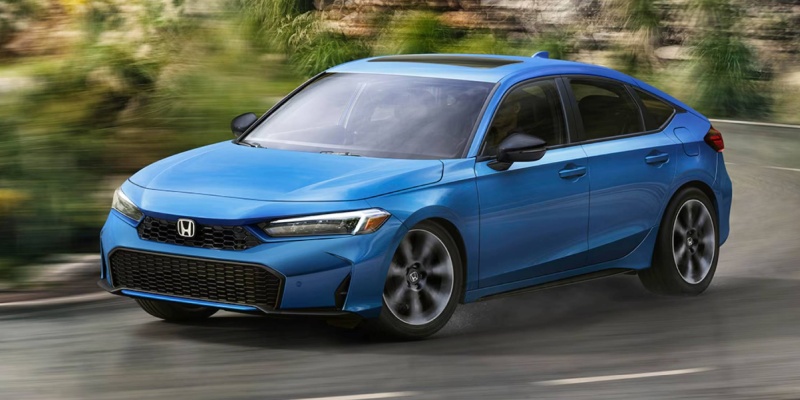
  • For compact commuting: Honda Civic offers efficient, fun-to-drive daily transportation with sedan and hatchback choices.
  • For refined family sedan driving: Honda Accord delivers comfort, space, and available hybrid efficiency.
  • For small SUV versatility: Honda HR-V offers practical size, available Real Time AWD™, and easy maneuverability.
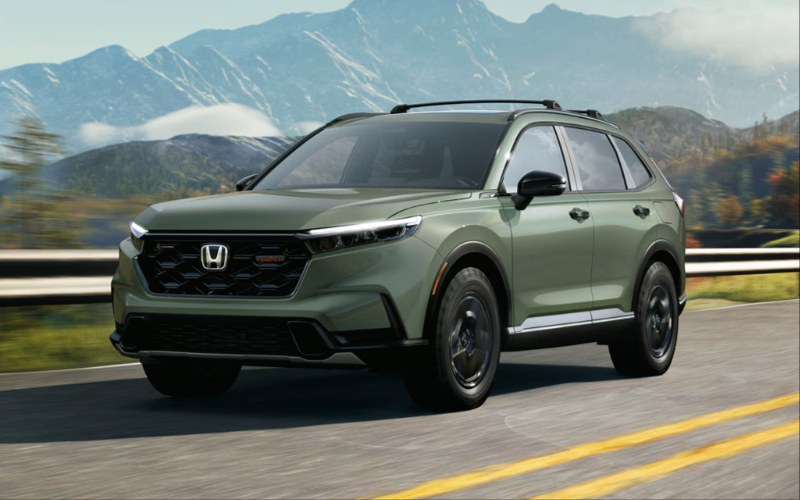
  • For well-rounded family SUV use: Honda CR-V brings strong cargo space, available Real Time AWD™, and hybrid availability.
  • For three-row family needs: Honda Pilot provides spacious seating, confident capability, and available i-VTM4® AWD.
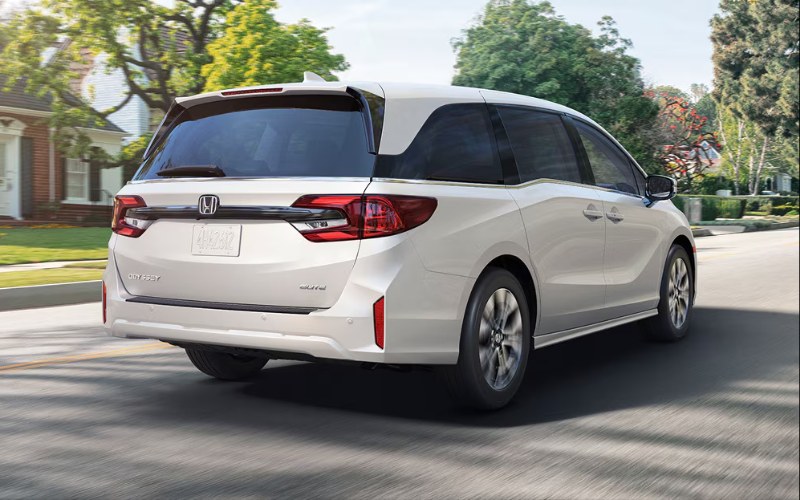
  • For minivan convenience: Honda Odyssey offers family-focused flexibility that Subaru does not directly match.
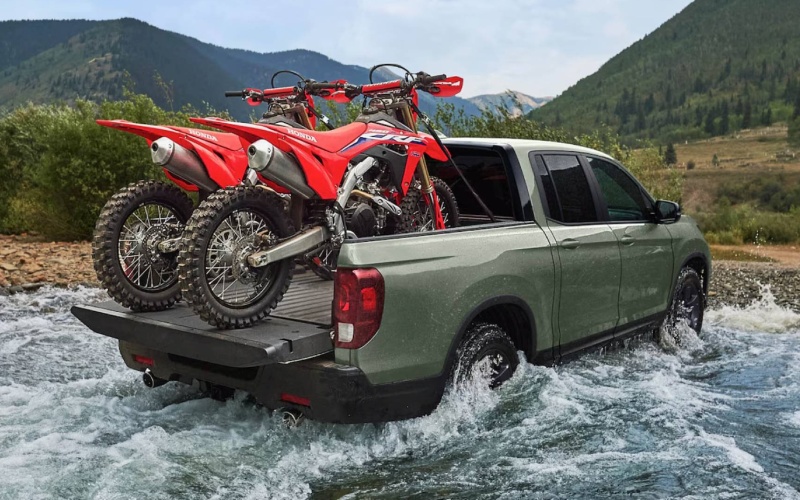
  • For everyday truck utility: Honda Ridgeline adds smart pickup capability with a comfortable, SUV-like driving feel.

This is where Honda often becomes the more practical long-term brand choice. A shopper may start by comparing Honda vs Subaru for AWD confidence, then realize Honda offers more ways to solve different transportation needs within the same trusted brand family.

Service, parts, and ownership support in West Burlington

Choosing a vehicle is also about where ownership happens. Brad Deery Honda is the only Honda dealer in the West Burlington area, and our team supports local drivers with new Honda sales, used vehicles, financing resources, Express Service, recall support, a collision center, and a full service department. Our Honda-trained technicians know Honda vehicles inside and out, and our parts department can help with genuine Honda OEM parts and accessories.

That local support matters for shoppers from West Burlington, Burlington, Mount Pleasant, Fort Madison, Macomb, Keokuk, and nearby communities. Routine maintenance, tire service, brake work, oil changes, alignments, inspections, and more can be handled right here at our dealership. We also service all makes and models, which is helpful for households that may already have another brand in the driveway.

Subaru has loyal owners, and the brand’s AWD identity is well earned. Still, Honda’s combination of efficient powertrains, available AWD systems, spacious interiors, hybrid variety, and strong local support through Brad Deery Honda makes Honda especially compelling for southeast Iowa drivers who want one vehicle to handle many roles well.

Which brand should West Burlington shoppers choose?

If your top priority is standard AWD across most of the lineup, Subaru is absolutely worth considering. Subaru vehicles are practical, capable, and well suited for drivers who want traction-focused confidence as a core part of the brand identity. For shoppers who regularly prioritize trailheads, rugged styling, and standard all-wheel drive, Subaru can make sense.

For many West Burlington shoppers, however, Honda offers the better all-around ownership fit. Honda gives you more body style choices, more mainstream hybrid options, strong available AWD systems, excellent daily comfort, intuitive technology, and a reputation for building vehicles that work well for years of family, work, and weekend use. Whether you are considering a CR-V, HR-V, Pilot, Passport, Ridgeline, Odyssey, Accord, or Civic, Honda makes it easier to choose a vehicle around your actual lifestyle rather than a single brand formula.

Our team at Brad Deery Honda is here to help you compare your options in a straightforward way. Visit us in West Burlington, IA, or contact our sales and service team at (319) 754-6000 to explore the Honda lineup, schedule a test drive, value your trade, or learn more about service support for your current vehicle.

Frequently Asked Questions:

Is Honda or Subaru better for AWD driving around West Burlington, IA?

Subaru offers standard Symmetrical All-Wheel Drive on most models, which is a major strength. Honda offers available Real Time AWD™ on models like the CR-V and HR-V and i-VTM4® AWD on models like the Pilot, Passport, and Ridgeline. Honda may be the better fit if you want AWD confidence plus more flexibility in vehicle size, powertrain, and body style.

Does Honda offer better hybrid choices than Subaru?

Honda offers a broader selection of mainstream hybrid vehicles, including options such as the CR-V Hybrid, Accord Hybrid, and Civic Hybrid. Subaru has hybrid availability in select areas of its lineup, but Honda gives shoppers more choices if fuel efficiency is a major ownership priority.

Which brand is better for families?

Both brands offer family-friendly SUVs, but Honda has a wider family-focused lineup. The Honda CR-V, Pilot, and Odyssey cover compact SUV, three-row SUV, and minivan needs, while Honda also offers sedan and truck options for different household roles.

Why buy from Brad Deery Honda in West Burlington, IA?

Brad Deery Honda offers new Honda models, used vehicles, financing support, Express Service, a collision center, genuine Honda OEM parts, and service for all makes and models. We are conveniently located at 501 West Agency Road in West Burlington, across from Walmart, and we proudly serve drivers across southeast Iowa and nearby Illinois communities.

Request more information

Why the 2027 Honda HR-V Touchscreen and Wireless Tech Matter for Mount Pleasant, IA Drivers

Why the 2027 Honda HR-V Touchscreen and Wireless Tech Matter for Mount Pleasant, IA Drivers

Brad Deery Honda – Why the 2027 Honda HR-V Touchscreen and Wireless Tech Matter for Mount Pleasant, IA Drivers

The 2027 Honda HR-V is built for drivers who want a crossover that feels easy from the moment the door opens. While shoppers often compare performance, cargo space, and exterior styling first, the technology inside the cabin can have the biggest impact on everyday satisfaction. For Mount Pleasant, IA drivers, that matters. A vehicle should make it simple to navigate across town, stream a favorite playlist, take hands-free calls, keep a compatible phone charged, and stay informed without creating extra steps. The HR-V answers that need with a standard 9-inch Color Touchscreen, standard wireless Apple CarPlay® compatibility, standard wireless Android Auto™ compatibility, and a standard wireless phone charger for compatible phones.

This is not technology for the sake of technology. The HR-V cabin is designed around practical use. The 9-inch Color Touchscreen serves as the central hub for audio, communication, and compatible smartphone features, while the physical volume knob gives drivers a quick, familiar way to adjust sound without searching through menus. The system places frequently used apps on the main screen for easier access, which helps reduce hassle during busy daily driving. Whether you are heading through Mount Pleasant for errands, driving toward Burlington for work, or planning a longer trip across southeast Iowa, these features help the HR-V feel organized, modern, and ready for the rhythm of daily life.

A Standard 9-Inch Color Touchscreen Makes a Difference

Many shoppers focus on screen size, but usability is just as important. The 2027 Honda HR-V gives every trim a high-definition 9-inch Color Touchscreen, so drivers do not need to move into the highest trim just to get a modern display. That standard approach helps the HR-V stand out in a competitive subcompact crossover class where some rivals reserve larger screens or more advanced connectivity for upper trims. The HR-V system is designed to be easy to see, easy to reach, and easy to understand. For a driver who moves between downtown Mount Pleasant, Highway 34, and regional roads, that convenience can make daily drives feel less distracting and more connected.

The touchscreen is also supported by the HR-V’s clean cabin layout. Honda uses a dashboard design with honeycomb detailing that gives the interior a refined look without overwhelming the driver with clutter. Important controls are positioned in ways that feel natural, and the 7-inch TFT Meter can display useful information such as directions, safety settings, average MPG information, and intelligent driver attention monitor alerts. The overall effect is a cabin that feels smart but not complicated.

Wireless Apple CarPlay® and Android Auto™ Help Reduce Clutter

Wireless connectivity is one of those features that becomes more valuable the more often you use it. With standard wireless Apple CarPlay® compatibility, iPhone® users can access compatible map, audio, and messaging apps through the HR-V touchscreen without connecting a cable. Standard wireless Android Auto™ compatibility offers similar convenience for compatible Android™ phones, including access to directions, text messages, and music. Android Auto is also enhanced with Google Gemini, adding a more helpful hands-free experience for supported functions.

For Mount Pleasant drivers, the benefit is straightforward: fewer cords, fewer interruptions, and easier access to the apps already used every day. If you switch between local stops, school activities, work commutes, and weekend plans, wireless smartphone integration helps the HR-V cabin stay tidy and functional. It also makes shared driving easier because compatible devices can connect without rearranging cables or adapters each time someone else gets behind the wheel.

  • Navigation: Access compatible map apps through the touchscreen
  • Messaging: Use supported hands-free communication features
  • Audio: Stream playlists, podcasts, and audiobooks more easily
  • Convenience: Connect without plugging in a cable

Standard Wireless Phone Charging Adds Everyday Practicality

A standard wireless phone charger is another detail that makes the 2027 HR-V feel well suited for modern driving. Instead of keeping a charging cable in the console or remembering to bring an adapter, drivers can place a compatible phone in the charging zone and let the system help maintain battery life. This is especially useful for people who rely on phone-based navigation, streaming audio, or hands-free communication throughout the day.

Wireless charging also supports the HR-V’s larger goal: making the cabin simpler. When a vehicle includes wireless smartphone integration but still requires a cable for charging, some of the convenience is lost. The HR-V’s standard wireless phone charger helps complete the experience. Combined with the 9-inch Color Touchscreen, wireless Apple CarPlay® compatibility, and wireless Android Auto™ compatibility, it creates a cleaner and more convenient daily setup.

How HR-V Technology Supports Local Driving

Mount Pleasant, IA drivers often need one vehicle to cover several kinds of driving. A typical week may include short trips around town, commutes to nearby communities, rural-road travel, and longer highway drives. The 2027 Honda HR-V supports that variety with technology that remains useful in each setting. The touchscreen helps manage routes and audio. Wireless smartphone compatibility helps drivers stay connected to familiar apps. The wireless phone charger helps keep compatible devices ready. These features are not limited to one kind of driver, which is part of the HR-V’s appeal.

Brad Deery Honda can help shoppers compare how these tech features fit within each HR-V trim, along with comfort upgrades such as heated front seats on Sport and EX-L, leather-trimmed seats on EX-L, available Real Time AWD™ with Intelligent Control System™, and available or trim-specific features like Smart Entry with Walk Away Auto Lock®, an 8-speaker audio system, and parking sensors. We are serving Mount Pleasant, Fort Madison, and Macomb with resources that help shoppers move from online research to an informed test drive.

Technology Works Best with a Comfortable Cabin

The HR-V’s technology would not be as meaningful without a cabin designed for real-life comfort. The 2027 model offers seating for up to five people, body-stabilizing front seats, and practical storage spaces. The 60/40 split 2nd-row seats make it easier to carry a mix of passengers and cargo, and the rear cargo area provides useful space behind the second row. For drivers who use a crossover as a commuter vehicle, family runabout, and weekend errand partner, that flexibility is essential.

The Sport trim adds personality with an all-black interior accented by orange stitching and a metallic honeycomb instrument panel insert. The EX-L trim raises the sense of refinement with leather-trimmed seats, a one-touch power moonroof, dual-zone automatic climate control system, Footwell Ambient Lighting, and an 8-speaker audio system. Those upgrades complement the standard technology by making the cabin feel more comfortable, more personal, and more enjoyable over time.

Frequently Asked Questions:

Does every 2027 Honda HR-V include the 9-inch Color Touchscreen?

Yes. The 2027 Honda HR-V includes a standard 9-inch Color Touchscreen, giving every trim a modern hub for audio, compatible smartphone features, calls, and more.

Does the 2027 Honda HR-V have wireless Apple CarPlay® compatibility?

Yes. Standard wireless Apple CarPlay® compatibility allows compatible iPhone® users to access supported apps through the HR-V touchscreen without needing a cable.

Does the 2027 Honda HR-V support Android Auto™?

Yes. The HR-V includes standard wireless Android Auto™ compatibility for compatible Android™ phones, helping drivers access maps, messages, music, and supported hands-free features.

Is wireless phone charging standard on the 2027 Honda HR-V?

Yes. The 2027 Honda HR-V includes a standard wireless phone charger for compatible phones, helping reduce cord clutter inside the cabin.

Which 2027 Honda HR-V trim is best for technology-focused shoppers?

All trims include strong standard technology, including the 9-inch Color Touchscreen, wireless smartphone compatibility, and wireless charging. Shoppers who want added comfort and premium features may prefer the EX-L for its 8-speaker audio system, leather-trimmed seats, dual-zone automatic climate control system, and parking sensors.

Start with the Features You Use Every Day

When comparing crossovers, it is easy to focus on major specifications and overlook the features used most often. The 2027 Honda HR-V’s standard technology is important because it supports daily habits. Drivers use maps, music, calls, messages, and charging on nearly every trip. By making those features standard and easy to access, the HR-V gives shoppers a stronger foundation from the start.

For Mount Pleasant, IA drivers who want a compact crossover that feels modern without being complicated, the 2027 Honda HR-V deserves a close look. Its technology is practical, its cabin is flexible, and its trim lineup allows shoppers to choose the right mix of comfort, style, and convenience. The best next step is to explore available HR-V inventory, compare trims, value a trade, apply for financing, and schedule a test drive to see how the touchscreen, wireless connectivity, and cabin layout feel in person.

Request more 2027 Honda HR-V information

Is the 2026 Honda Pilot More Practical Than the 2026 Hyundai PALISADE for Families around Coralville, IA?

Is the 2026 Honda Pilot More Practical Than the 2026 Hyundai PALISADE for Families around Coralville, IA?

Brad Deery Honda – Is the 2026 Honda Pilot More Practical Than the 2026 Hyundai PALISADE for Families around Coralville, IA?

For many three-row SUV shoppers, the big question is not simply which model has the longest feature list. The more useful question is: which one will make family life easier every day? When comparing the Honda Pilot and Hyundai PALISADE, practicality comes down to seating flexibility, cargo space, visibility, driving confidence, cabin technology, and how naturally the SUV fits a busy schedule. Both vehicles are strong choices in the midsize three-row segment. The PALISADE offers a refined interior, available HTRAC AWD, available premium features, and a newly expanded lineup that includes gas and hybrid options. The Pilot, however, has a special way of blending space, ruggedness, comfort, and simplicity, which is why many families give it the edge when daily usability is the deciding factor.

At Brad Deery Honda, serving Burlington, Iowa City, and Coralville, we often talk with shoppers who want one SUV that can handle school drop-offs, highway commuting, sports bags, pets, visiting relatives, and road trips without making the driver think too hard about what to fold, move, or leave behind. The Pilot’s strengths are easy to explain in that context. It offers seating for up to eight, an available stowable 2nd-row center seat, up to 113.7 cubic feet of cargo volume, available i-VTM4® AWD, a 285-hp V-6 engine, a 10-speed automatic transmission, and intuitive family technology like CabinTalk® and Google built-in. That combination makes it feel less like a specialty vehicle and more like a smart household tool that also happens to be comfortable and enjoyable to drive.

Why Practicality Matters in a Three-Row SUV

A three-row SUV needs to do more than look impressive in the driveway. It needs to solve small problems repeatedly. Can passengers get to the third row without a struggle? Is there enough cargo room when the seats are folded? Does the second row adapt when plans change? Can the driver feel confident on wet roads, gravel stretches, or crowded parking lots? These are the details that shape ownership satisfaction over time. The 2026 Honda Pilot addresses those needs with a cabin layout that is flexible, a powertrain that is consistent across the lineup, and available capability features that support more than just fair-weather commuting.

The 2026 Hyundai PALISADE deserves credit for its spacious feel, upscale available materials, available Surround View Monitor (SVM), available Blind-Spot View Monitor (BVM), and available convenience features such as Hyundai Digital Key 2 Premium and Wi-Fi hotspot capability. It also offers a hybrid powertrain for shoppers who place that at the top of the list. But for families focused on total practicality, the Pilot’s greater maximum cargo volume and unique second-row flexibility are hard to overlook. The available stowable 2nd-row center seat is especially useful because it lets families switch between easier third-row access and eight-passenger capacity without storing a bulky seat in the garage.

Key Practical Advantages of the Pilot

  • Flexible second row: The available stowable 2nd-row center seat gives the Pilot a useful advantage when families need to adapt passenger space quickly.
  • More maximum cargo space: With up to 113.7 cubic feet of cargo volume, the Pilot offers more total cargo room than the PALISADE figure listed by Hyundai.
  • Confident AWD option: Available i-VTM4® AWD helps improve stability and handling by actively distributing torque where it can be most useful.
  • Trail-ready technology: Available TrailWatch™ and the multiview camera system support visibility when maneuvering in tight spaces or on uneven routes.
  • Family communication: CabinTalk® helps the driver speak to rear passengers through the cabin audio system, which is useful on busy family drives.

Cargo space is one of the clearest examples of real-world practicality. Hyundai lists the PALISADE with 86.7 cubic feet behind the front seats, while Honda lists the Pilot with up to 113.7 cubic feet. That difference can matter when loading large suitcases, folding chairs, camping supplies, storage bins, or gear for weekend activities. Even if a family does not use maximum cargo volume every week, having the extra room available makes the SUV more versatile over the long term. The Pilot’s hidden storage well adds another layer of usefulness, giving drivers a place to keep smaller items out of sight and organized.

How the Pilot Feels on Daily Drives

The Pilot’s driving personality is another reason it works so well as a family SUV. Its 285-hp V-6 engine is standard, so shoppers do not need to compare multiple gas-engine outputs to get confident performance. The 10-speed automatic transmission is smooth and responsive, while the fully independent suspension helps the SUV feel composed on uneven pavement. Around Coralville, where daily driving may include local errands, I-80 travel, school traffic, and visits to parks or recreation areas, that balance of power and comfort matters. The Pilot is strong enough to tow up to 5,000 pounds when properly equipped, yet it remains easy to manage in ordinary driving.

The PALISADE gas model offers a 287-hp 3.5-liter V6, and the PALISADE Hybrid offers strong combined output, so Hyundai has appealing powertrain options. Still, the Pilot’s straightforward V-6 approach may be exactly what many shoppers want: proven-feeling response, consistent capability, and no need to choose a specific powertrain to get the core driving experience. Add available i-VTM4® AWD, Hill Descent Control, and up to seven available drive modes, and the Pilot becomes a strong fit for families who want confidence on a wide variety of surfaces.

Interior Technology That Helps Instead of Distracts

Technology should reduce friction, not add more steps to the day. The Pilot keeps important features easy to use with a 12.3-inch color touch-screen, wireless Apple CarPlay® compatibility, wireless Android Auto™ compatibility, available wireless phone charger, Wi-Fi® Hotspot Capability, and Google built-in. Google built-in can be especially helpful for navigation, voice commands, and route planning because it brings familiar Google functionality directly into the vehicle display. Parents may also appreciate CabinTalk®, which lets the driver communicate with rear passengers without raising their voice.

The PALISADE also brings plenty of technology, including a 12.3-inch touchscreen display with navigation, available Alexa® Built-In, available Hyundai Pay, available Bluelink® features, available Digital Key 2 Premium, and available premium audio. Shoppers who want a tech-forward cabin will find a lot to like. The Pilot’s advantage is that its technology pairs closely with family practicality. Features such as one-touch 2nd-row seats, available multiview camera system, available Head-Up Display, and Smart Entry with Walk Away Auto Lock® are not just impressive; they help make daily use smoother.

Frequently Asked Questions:

Is the Honda Pilot larger inside than the Hyundai PALISADE?

The Pilot offers more maximum cargo volume, with up to 113.7 cubic feet compared with the PALISADE’s listed 86.7 cubic feet behind the front seats. Passenger space can feel competitive in both SUVs, but the Pilot has a clear cargo-capacity advantage.

Does the Pilot or PALISADE seat eight passengers?

Both SUVs can seat up to eight depending on configuration. The Pilot stands out because of its available stowable 2nd-row center seat, which adds flexibility when switching between easier third-row access and maximum passenger capacity.

Which SUV is better for active families?

The Pilot is especially compelling for active families because it combines strong cargo space, available i-VTM4® AWD, available TrailWatch™, up to 5,000 pounds of towing capacity when properly equipped, and a TrailSport trim designed for more rugged use.

Is the Hyundai PALISADE still a good SUV?

Yes. The PALISADE is a strong three-row SUV with available premium features, available advanced safety technology, and a hybrid option. The Pilot is the better fit for shoppers who prioritize maximum cargo room, seating versatility, and Honda’s rugged-capable approach.

So, is the Pilot more practical than the PALISADE for many families? For shoppers who value flexible seating, extra cargo room, straightforward V-6 performance, available all-wheel-drive confidence, and useful family technology, the answer is yes. The PALISADE is polished and feature-rich, but the Pilot feels especially well suited to the everyday demands that three-row SUV buyers care about most. It is comfortable enough for long drives, flexible enough for changing passenger needs, and capable enough to support more adventurous plans when the calendar opens up.

Request more 2026 Honda Pilot information

Is the 2026 Honda Ridgeline or 2026 Chevrolet Colorado better for daily driving around Coralville, IA?

Is the 2026 Honda Ridgeline or 2026 Chevrolet Colorado better for daily driving around Coralville, IA?

Brad Deery Honda – Is the 2026 Honda Ridgeline or 2026 Chevrolet Colorado better for daily driving around Coralville, IA?

Many midsize truck shoppers start with one big question: which pickup is better for daily driving, the Honda Ridgeline or the Chevrolet Colorado? The answer depends on what “daily driving” means to you. If your routine includes commuting, parking in town, carrying passengers, hauling home improvement supplies, visiting job sites, and occasionally towing a trailer, the Ridgeline makes a very strong case. It is engineered to feel composed and comfortable in situations where traditional trucks can feel stiff or oversized. The Colorado is a capable pickup with strong turbocharged torque, available off-road hardware, and a higher maximum available towing rating, but the Ridgeline focuses on the blend many shoppers use most often: smooth ride quality, smart cargo flexibility, standard all-wheel-drive confidence, and an inviting cabin.

That is why Brad Deery Honda often recommends the Ridgeline to drivers who want truck utility without giving up the comfort expected from a modern SUV. The unibody platform, fully independent front and rear suspension, standard i-VTM4® AWD system, and 280-horsepower V-6 engine give the Ridgeline a calm, stable feel on commutes and errands. For local shoppers serving Burlington, Iowa City, and Coralville, it also fits the realities of eastern Iowa driving, where one day can include highway travel, city parking, gravel driveways, and a stop for bulky cargo. The Colorado remains a respected choice for shoppers who prioritize maximum available towing or specialized off-road trims, but for everyday livability, the Ridgeline is especially easy to recommend.

Why daily ride comfort matters in a midsize truck

Pickup capability is important, but comfort can shape how much you enjoy the vehicle over years of ownership. The Ridgeline uses fully independent front and rear suspensions, helping smooth out rough pavement, railroad crossings, uneven side streets, and highway expansion joints. Its unibody construction also helps reduce vibration and road harshness, so the cabin feels quieter and more settled than many body-on-frame pickups. This difference is especially noticeable when the truck bed is empty, which is how many personal-use pickups spend much of the week.

The Colorado uses a more traditional truck layout, and that brings certain advantages for rugged use. Available Trail Boss, Z71, and ZR2 models add trail-oriented features such as selectable drive modes, available underbody cameras, factory-installed lifts on select trims, and specialized suspension equipment. If your regular routine includes aggressive off-road travel, those features may be appealing. For the average driver, though, the Ridgeline’s refinement is more noticeable during the morning commute, the school run, grocery stops, and longer drives across Iowa.

How the Ridgeline handles cargo differently

The Ridgeline’s bed is one of the clearest reasons it stands out. Honda designed it with minimal wheelwell housings, allowing 4-by-8-foot sheets of plywood to lie flat. The standard UV-stabilized, scratch-resistant composite truck bed is built to take everyday use without requiring the same level of worry that comes with a painted metal bed surface. The dual-action tailgate can open down like a conventional tailgate or swing open to the side, which makes it easier to reach into the bed or access the Lockable In-Bed Trunk®.

The Lockable In-Bed Trunk® is a signature Ridgeline feature because it adds secure storage without using cabin space. It offers 7.3 cubic feet of hidden storage and includes a drain plug, so it can be used for wet gear, tools, muddy equipment, or chilled items during a gathering. The Colorado offers practical cargo features of its own, including up to 17 available tie-downs, available StowFlex® tailgate storage, cargo bed lighting, and a mid-position tailgate that can support weight. Still, the Ridgeline’s combination of a composite bed, dual-action tailgate, and hidden trunk creates a level of everyday convenience that is hard to match.

Key everyday advantages shoppers should compare

  • Ride quality: The Ridgeline’s unibody construction and independent suspension help deliver a smoother, more composed drive.
  • Standard traction: i-VTM4® AWD is standard on the Ridgeline, while Colorado offers four-wheel-drive availability depending on configuration.
  • Cabin comfort: The Ridgeline offers seating for up to five, available leather-trimmed seats, available heated front seats, and standard tri-zone automatic climate control.
  • Cargo flexibility: The dual-action tailgate, Lockable In-Bed Trunk®, and lay-flat bed design make the Ridgeline especially useful for mixed personal and project needs.
  • Technology access: The Ridgeline includes a 9-inch Display Audio touch-screen, wireless Apple CarPlay® compatibility, wireless Android Auto™ compatibility, and an available wireless phone charger.

What about power and towing?

The Colorado has the edge for maximum available towing, with a rating of up to 7,700 pounds when properly equipped. It also uses a 2.7L TurboMax® engine with 310 horsepower and 430 pound-feet of torque, giving it strong low-end pull. If your top requirement is towing heavier trailers within the midsize category, the Colorado deserves consideration. However, many truck shoppers do not tow at the upper limit. For small campers, utility trailers, lawn equipment, and recreational gear, the Ridgeline’s towing capacity of up to 5,000 pounds when properly equipped is highly useful.

The Ridgeline’s 3.5L V-6 engine produces 280 horsepower and 262 pound-feet of torque, paired with a 9-speed automatic transmission. The result is smooth acceleration, confident passing power, and relaxed cruising. The standard integrated tow hitch with a 7-pin connector adds convenience because it supports trailering readiness without making towing feel like an afterthought. For drivers who want dependable capability plus a refined driving character, the Ridgeline powertrain is a major strength.

Safety and driver assistance for everyday confidence

Both trucks include important driver-assistance technology. The Ridgeline comes standard with Honda Sensing®, which includes the Collision Mitigation Braking System™ (CMBS™), Road Departure Mitigation System (RDM), Adaptive Cruise Control (ACC), and Lane Keeping Assist System (LKAS). It also offers a blind spot information system (BSI) with cross traffic monitor, and the standard rearview camera includes dynamic guidelines with multiple viewing angles. These systems are useful during highway travel, lane changes, crowded parking lots, and backing near trailers or garage spaces.

The Colorado comes standard with Chevy Safety Assist, including Forward Collision Alert, Automatic Emergency Braking, Front Pedestrian Braking, Lane Keep Assist with Lane Departure Warning, Following Distance Indicator, and IntelliBeam® Auto High Beams. Available camera systems can also help off-road and trailering visibility. The key difference is not whether the Colorado has safety technology; it does. The Ridgeline simply packages its safety, visibility, comfort, and drivability in a way that feels very natural for everyday use.

Frequently Asked Questions:

Which truck is smoother for commuting, the Ridgeline or the Colorado?

The Ridgeline is generally the stronger choice for commuting because of its unibody construction and fully independent front and rear suspension. It feels settled, quiet, and easy to drive on highways and city streets.

Which truck is better for towing?

The Colorado offers the higher maximum available towing capacity. The Ridgeline can tow up to 5,000 pounds when properly equipped, which is enough for many personal-use trailers, small campers, and recreational loads.

Which truck has better storage for everyday items?

The Ridgeline has a major advantage with the Lockable In-Bed Trunk®, dual-action tailgate, and 60/40 split lift-up rear seats. These features make it easy to separate clean cargo from outdoor gear or secure valuables out of sight.

Which truck should I choose for daily life?

Choose the Ridgeline if your priority is a smooth ride, standard all-wheel-drive confidence, smart cargo solutions, and a comfortable cabin. Choose the Colorado if maximum available towing or more extreme off-road hardware is the main goal.

For most shoppers comparing these two trucks through the lens of real daily use, the Ridgeline is the more balanced choice. It does not chase only one headline number. Instead, it brings together comfort, traction, bed utility, cabin flexibility, safety technology, and confident V-6 power in a way that feels useful every time you drive. If your truck needs to be a commuter, weekend helper, family vehicle, and light-duty tow rig, the Ridgeline is designed around that exact kind of versatility.

Request more 2026 Honda Ridgeline information

Does the 2027 Honda HR-V Have Enough Cargo Space for Coralville, IA Drivers?

Does the 2027 Honda HR-V Have Enough Cargo Space for Coralville, IA Drivers?

Brad Deery Honda – Does the 2027 Honda HR-V Have Enough Cargo Space for Coralville, IA Drivers?

Drivers comparing small SUVs often want a vehicle that is easy to park, simple to drive, and still roomy enough for everyday cargo, and the HR-V answers that need with smart packaging. The cargo area is not just about one measurement; it is about how the space works when you are loading groceries, backpacks, sports gear, luggage, small furniture, pet supplies, or a mix of passenger and storage needs. For Coralville-area shoppers who spend time around neighborhood streets, campus traffic, retail stops, and highway routes, a compact crossover with flexible interior space can feel like the right size for daily life.

The 2027 Honda HR-V provides 24.4 cubic feet of cargo space with the 2nd-row seats up, which gives drivers a useful rear storage area while still keeping seating available for up to five people. That space is shaped for practical use, so items like grocery bags, duffel bags, work totes, small coolers, and travel cases can fit without requiring a larger SUV. The HR-V also includes 60/40 split 2nd-row seats, allowing you to fold one side for longer items while keeping part of the rear seat available for a passenger. Brad Deery Honda supports in-market shoppers while serving Iowa City, Coralville, and North Liberty with helpful guidance on trim selection, accessories, and real-world cargo needs.

Why Cargo Flexibility Matters in a Small SUV

Cargo flexibility is especially important in a subcompact crossover because the vehicle needs to serve more than one role. During the week, the HR-V might be used for commuting, errands, school activities, or appointments. On the weekend, the same vehicle may need to carry luggage, sports equipment, home improvement supplies, or items picked up from a local shop. The HR-V is designed to make those changes easier without asking you to drive something larger than necessary.

The 60/40 split 2nd-row seat design is a major part of that convenience. If you only need extra length for one item, you can fold one portion of the rear seat and keep another seat open. If the trip calls for maximum storage, both seatbacks can be folded to create a more open cargo layout. That flexibility helps the HR-V adapt to real routines rather than forcing every drive into one fixed arrangement.

What Fits Behind the Second Row?

With the rear seats upright, the HR-V cargo area is useful for many day-to-day items. This is the configuration most drivers use most often because passengers can still ride in the back. The space works well for routine errands and personal gear, and the rear hatch opening makes loading straightforward.

  • Grocery runs: The cargo area can handle several bags while keeping the second row open for passengers.
  • Work and school gear: Laptops, backpacks, presentation materials, gym bags, and lunch coolers can fit without crowding the cabin.
  • Travel items: Suitcases, duffel bags, garment bags, and small coolers can be loaded for short trips or airport drives.
  • Home items: House plants, boxed purchases, small decor, and everyday household supplies can fit behind the second row.
  • Pet supplies: Food bags, blankets, leashes, and travel accessories can be carried while keeping the cabin organized.

Because the HR-V maintains a compact exterior size, the cargo area feels especially useful for shoppers who want an SUV shape without the added length of a larger vehicle. Parking lots, apartment garages, and tighter streets become easier to manage, yet the rear storage area still supports everyday utility.

When to Fold the 60/40 Split 2nd-Row Seats

Folding the second row expands what the HR-V can carry. This is helpful when your plans include longer or bulkier cargo, such as a boxed chair, golf clubs, a standing lamp, framed artwork, or the perfect piece of antique furniture. The split design also gives more control. You do not have to fold the entire second row if only one side is needed.

  1. Measure the item first: Check length, width, and height before loading so you can plan the best seat configuration.
  2. Fold one side for long cargo: Use the split seatback to carry longer items while keeping room for a rear passenger.
  3. Fold both sides for maximum space: Choose the full cargo layout when transporting larger purchases or multiple bulky items.
  4. Use protective accessories: Add a cargo tray or seatback protectors to help guard against dirt, scuffs, and spills.
  5. Secure loose items: Keep cargo from shifting so the drive stays quiet, organized, and comfortable.

This kind of versatility is what makes the HR-V a strong choice for drivers who do not want to borrow a larger vehicle for every errand. While it is still a compact SUV, its interior is designed to be useful in more situations than the exterior footprint might suggest.

Accessories That Make the Cargo Area More Useful

Honda Genuine Accessories can make the HR-V cargo area even easier to maintain. The cargo tray is durable, molded to fit the rear storage area, and designed with raised sides for added protection against dirt and spills. For drivers who carry plants, shoes, sports gear, or cleaning supplies, this accessory can help preserve the cargo floor. A cargo cover helps keep belongings out of view and can also help protect items from damaging UV rays.

Seatback protectors are another smart addition if you expect to fold the rear seats often. Whether the seats are up or down, protectors help guard the seatbacks from scuffs and dirt. All-season floor mats are also useful throughout the cabin, especially for drivers who want easy-to-clean surfaces after daily use. These accessories are practical rather than decorative, and each one can help the HR-V stay cleaner and more organized over time.

How the HR-V Balances Cargo Space and Passenger Comfort

A vehicle can have a useful cargo area and still fall short if passengers feel cramped. The HR-V avoids that problem by offering seating for up to five, a comfortable cabin design, and thoughtful details throughout the interior. Plentiful storage compartments help keep smaller items from spreading across the seats, while available features such as heated front seats, dual-zone automatic climate control, leather-trimmed seating, and a one-touch power moonroof can make the cabin feel more refined.

The dashboard design also contributes to the vehicle’s sense of openness. Honeycomb detailing gives the cockpit a clean visual anchor, and the 9-inch Color Touchscreen helps centralize audio, phone, and navigation functions. Standard wireless Apple CarPlay® compatibility, standard wireless Android Auto™ compatibility, and a standard wireless phone charger help reduce cord clutter, which is a real advantage when passengers, bags, and devices are all sharing the same cabin.

Frequently Asked Questions:

Is the HR-V cargo area good for everyday errands?

Yes. With 24.4 cubic feet of cargo space behind the 2nd-row seats, the HR-V is well suited for groceries, work bags, backpacks, luggage, small household items, and other routine cargo. The rear hatch design also makes loading and unloading convenient.

Can the HR-V carry longer items?

Yes. The 60/40 split 2nd-row seats can be folded to create more room for longer items. You can fold one side while keeping a rear seating position available, or fold both sides when maximum cargo space is the priority.

Which accessories help protect the HR-V cargo area?

Useful Honda Genuine Accessories include the cargo tray, cargo cover, seatback protectors, and all-season floor mats. These items help protect against dirt, spills, scuffs, and everyday wear.

Is the HR-V still easy to drive if it offers this much utility?

Yes. The HR-V keeps a compact footprint, which helps with parking, maneuvering, and city driving. At the same time, its flexible cabin and cargo area make it practical for errands, commuting, and trips that require extra gear.

For Coralville-area drivers, the HR-V cargo space is best understood as flexible, approachable, and genuinely useful. It does not try to be a large SUV, and that is part of its appeal. Instead, it offers the right kind of room for drivers who want practical storage, passenger comfort, and easy daily drivability in one smart crossover. If your shopping list includes technology, safety confidence, and cargo versatility, the 2027 Honda HR-V deserves a close look.

Request more 2027 Honda HR-V information

Is the 2026 Honda Civic Hatchback or 2026 Subaru Impreza better for daily driving around Iowa City, IA?

Is the 2026 Honda Civic Hatchback or 2026 Subaru Impreza better for daily driving around Iowa City, IA?

Brad Deery Honda – Is the 2026 Honda Civic Hatchback or 2026 Subaru Impreza better for daily driving around Iowa City, IA?

For many compact hatchback shoppers, the biggest question is simple: which model feels better every day, the Honda Civic Hatchback or the Subaru Impreza? Both vehicles bring useful five-door versatility, modern connectivity, and a size that is easy to live with. The Subaru Impreza appeals to shoppers who prioritize standard Symmetrical All-Wheel Drive, while the Civic Hatchback shines for drivers who want a more engaging feel, an available hybrid powertrain, elevated cabin technology, and impressive everyday efficiency. Around Iowa City, that difference can matter on commutes, campus-area traffic, highway drives, and weekend errands.

The most helpful way to compare these two hatchbacks is to look beyond a single feature and consider how each vehicle supports the full ownership experience. A standard all-wheel-drive system is a strong Subaru talking point, but many drivers spend most of the week on paved roads, commuting, parking, merging, and carrying everyday cargo. In that setting, the Civic Hatchback feels especially well-rounded. Its steering is precise, its cabin is refined, and its available 200-hp hybrid powertrain gives it a confident, responsive character that the Impreza cannot fully match.

Daily Driving Feel and Performance

The Civic Hatchback gives shoppers two distinct performance personalities. Sport models feature a 150-hp engine that delivers smooth, direct response for daily driving. Sport Hybrid and Sport Touring Hybrid trims raise the experience with a 200-hp hybrid powertrain, instant torque, quick acceleration, and a 4-Mode Drive System. That system lets the driver choose a setting that fits the moment, with Sport mode for sharper response, ECON mode to help conserve fuel, Normal mode for balanced driving, and available Individual mode on Sport Touring Hybrid for personalized settings.

The Subaru Impreza offers a 152-hp 2.0-liter SUBARU BOXER® engine in Sport trim and a 180-hp 2.5-liter SUBARU BOXER® engine in RS trim. The RS is the stronger Impreza choice for acceleration, and Subaru pairs both engines with Lineartronic® CVT. Still, the Civic Hatchback Hybrid has the advantage in maximum output, and its hybrid system adds a smooth, immediate feeling when pulling away from a stop or passing at speed. For drivers who want a compact car that feels lively without giving up fuel-conscious engineering, Honda has a clear edge.

Interior Comfort and Technology

Inside, both hatchbacks provide flexible seating and cargo space, but the Civic Hatchback has a more premium feel on upper trims. Honda designed the cabin around wide sightlines, simple controls, supportive sport seats, and high-touch materials that hold up well to everyday use. Available leather-trimmed seating, an 8-way power driver seat, heated front seats, dual-zone automatic climate control, and a one-touch power moonroof help the Civic Hatchback feel mature and comfortable for a wide range of drivers.

Technology is another major strength for Honda. The Civic Hatchback offers available Google built-in, giving access to Google Assistant, Google Maps, and apps through Google Play on a 9-inch touch-screen. Wireless Apple CarPlay® compatibility and wireless Android Auto™ compatibility are also available, and Sport Touring Hybrid adds a wireless phone charger plus a Bose premium sound system. Subaru includes a standard 11.6-inch Multimedia Plus System with wireless Apple CarPlay® and Android Auto™ integration, which is useful, but Honda’s available Google built-in and Bose audio combination gives the Civic Hatchback a more sophisticated connected-cabin experience.

Practicality for Real-Life Hatchback Use

Hatchbacks are popular because cargo space is easy to access, and both models are designed with that practicality in mind. The Civic Hatchback features a wide, low rear opening that makes loading daily items straightforward, plus a standard 60/40 split fold-down rear seatback for mixed passenger and cargo needs. The side-pull cargo cover is a thoughtful Honda detail because it is easier to reach when protecting items in the rear area.

  • Civic cargo flexibility: A spacious cargo area, low lift-in height, and standard split-folding rear seatback make the Honda easy to configure.
  • Impreza cargo flexibility: The Subaru hatchback body offers useful space and rear seatbacks that fold for larger items.
  • Honda accessory support: Honda Genuine Accessories such as a cargo tray, roof rack, bike attachment, roof box, and tailgate spoiler help personalize the Civic Hatchback.

The Subaru Impreza lists 20.4 cubic feet of cargo space and up to 56.0 cubic feet with the rear seatbacks lowered, giving it a practical footprint. However, the Honda counters with easier cargo access, a more refined cabin environment, and accessories that support active lifestyles without making the car feel bulky. For shoppers comparing hatchbacks for commuting, errands, and occasional road trips, the Civic Hatchback offers a smart balance of size and usefulness.

Safety and Driver Assistance

Safety technology is strong in both vehicles. The Subaru Impreza includes standard EyeSight® Driver Assist Technology and new standard rear-seat side airbags for 2026. EyeSight® includes active safety systems such as pre-collision braking and adaptive cruise control support. Subaru also offers Blind-Spot Detection with Lane Change Assist and Rear Cross-Traffic Alert on select configurations, with some features standard on RS.

The Civic Hatchback includes the Honda Sensing® suite, which features Collision Mitigation Braking System™ with CMBS™, Road Departure Mitigation System, Adaptive Cruise Control with Low-Speed Follow, Lane Keeping Assist System with Traffic Jam Assist, and Traffic Sign Recognition. Available blind spot information with cross traffic monitor adds helpful awareness when changing lanes or backing out of parking spaces. The rearview camera with dynamic guidelines provides multiple viewing angles, and Walk Away Auto Lock® adds a simple convenience that many owners quickly appreciate.

Which Hatchback Is the Better Fit?

If standard all-wheel drive is the main priority, the Subaru Impreza deserves a look. However, for a broader mix of performance, efficiency, premium features, and everyday comfort, the Civic Hatchback is the stronger recommendation. Its available hybrid powertrain provides more power than the Impreza RS, while Honda’s available Google built-in, Bose premium audio, and refined interior make the vehicle feel more advanced and enjoyable on a daily basis.

  1. Choose Civic Hatchback for performance: The available 200-hp hybrid powertrain delivers stronger output than the Impreza lineup.
  2. Choose Civic Hatchback for technology: Available Google built-in, wireless smartphone compatibility, and Bose premium audio create a highly connected cabin.
  3. Choose Civic Hatchback for balance: The Honda blends sporty handling, hatchback versatility, and impressive hybrid efficiency in one compact package.

Brad Deery Honda, serving Burlington, Iowa City, and Coralville, is a helpful place to compare Civic Hatchback trims and decide which configuration fits daily driving needs. Shoppers can focus on the features that matter most, from hybrid performance to interior comfort, without feeling pushed toward a vehicle that does not match the routine ahead.

Frequently Asked Questions:

Does the Honda Civic Hatchback offer all-wheel drive like the Subaru Impreza?

No. The Civic Hatchback is front-wheel drive, while the Subaru Impreza includes standard Symmetrical All-Wheel Drive. However, the Honda counters with sharper handling, strong efficiency, and an available 200-hp hybrid powertrain that gives it a lively, responsive feel.

Which model has the stronger available powertrain?

The Civic Hatchback has the stronger available powertrain. Sport Hybrid and Sport Touring Hybrid trims feature a 200-hp hybrid powertrain, while the most powerful Impreza engine is the 180-hp 2.5-liter SUBARU BOXER® engine in RS trim.

Which hatchback is better for technology-focused shoppers?

The Civic Hatchback is an excellent choice for technology-focused shoppers because it offers available Google built-in, wireless Apple CarPlay® compatibility, wireless Android Auto™ compatibility, a wireless phone charger, and a Bose premium sound system on select trims.

For shoppers comparing these two compact hatchbacks, the most complete daily-driver choice is the Civic Hatchback. It brings the fun, the flexibility, and the technology that many modern drivers want, while still keeping the easy-to-park size and practical cargo access that make hatchbacks so appealing. The Impreza is capable, but the Honda feels more versatile for a wider range of daily needs.

Request more 2026 Honda Civic Hatchback information

Can the 2026 Honda Ridgeline’s Bed Outlet Power My Tools or Game-Day Gear near Iowa City, IA?

Can the 2026 Honda Ridgeline’s Bed Outlet Power My Tools or Game-Day Gear near Iowa City, IA?

Brad Deery Honda – Can the 2026 Honda Ridgeline’s Bed Outlet Power My Tools or Game-Day Gear near Iowa City, IA?

For many shoppers around Iowa City, IA, who are eyeing the 2026 Honda Ridgeline, a practical ownership question comes up fast: can you really run useful gear from the truck bed? At Brad Deery Honda, we demonstrate this feature on test drives all the time, and the answer is yes—within smart limits. The Ridgeline offers an available 150-watt/400-watt truck-bed outlet built into the bed wall, giving you convenient, on-the-go AC power for work, tailgates by Kinnick Stadium, or a relaxing afternoon at Coralville Lake.

What the Ridgeline’s bed outlet is designed to power

The 2026 Ridgeline’s available bed outlet is purpose-built for everyday, lower-draw devices. Honda designed it to make practical tasks simpler—charging cordless tool batteries while you finish a project in North Liberty, plugging in a TV for the pregame outside Kinnick, or lighting your space at a campsite near Lake Macbride. To choose the right device, look at its wattage rating and stay under the outlet’s 150-watt or 400-watt threshold (the rating shown on your truck and in your Owner’s Manual is the limit you should follow).

Here are common examples that typically fit within the outlet’s sweet spot when used properly and within the specified wattage limit:

  • LED TV (up to around 55 inches): Many modern sets draw roughly 80-150W, which works well for game-day viewing.
  • Battery chargers for cordless tools: Typical chargers range from about 60-300W; perfect for keeping drill and saw batteries topped off.
  • LED work lights or string lights: Often 20-100W; bright enough for evening projects or campsite setup.
  • Laptop power supplies and small electronics: Commonly 60-100W; great for remote work or powering a presentation at a job site.
  • Small inflators and air pumps rated under limit: Some compact units fall within 100-150W; always verify the label.

Just as important, some devices are not a good match. High-draw appliances and tools can exceed 400 watts and are not recommended for the Ridgeline’s bed outlet.

  • Space heaters, hair dryers, or hot plates: These typically draw far more than 400W.
  • Large corded saws and big shop vacs: Many exceed 600W-1200W; stick to charging cordless tools instead.
  • Microwaves, full-size coffee makers, or electric grills: Commonly 700W-1500W and above; these are beyond the outlet’s design.

Tailgating or tackling projects around Iowa City—how it all comes together

Whether you’re parked near Melrose Avenue for a Hawkeyes game or finishing a deck refresh in Tiffin, the Ridgeline makes plug-in convenience genuinely useful. The available bed outlet handles your TV and small speaker setup, while the Ridgeline’s Dual-Action Tailgate opens down or swings to the side so you can easily access the lockable In-Bed Trunk® during the day. That In-Bed Trunk® includes a drain plug, so you can use it as an ice chest for drinks and food—then rinse and drain when you get home.

For home-improvement runs to a store along Highway 1 or projects in growing neighborhoods around North Liberty, the lay-flat truck bed is designed to accommodate 4-by-8-foot sheets of plywood. Pair that cargo-friendly bed with the outlet’s ability to charge cordless tool batteries on the go, and you’ve got a truck that simplifies both the shopping and the building parts of your Saturday.

Power is just one piece—Ridgeline capability that gets you there

The outlet is only as helpful as the truck that carries it, and the 2026 Ridgeline brings everyday confidence. The i-VTM4® AWD system works with Intelligent Traction Management to give you selectable modes for Normal, Snow, Sand, and Mud, which is reassuring when you’re venturing onto gravel roads outside Solon or navigating a muddy launch area near Coralville Lake. A fully independent suspension and unibody construction help keep the ride composed on I-80 or Dubuque Street, while the 280-horsepower V-6 provides capable passing and up to 5,000 pounds of towing with a standard integrated hitch and 7-pin connector.

Honda Sensing® is standard to help support your drive as well. Features like the Collision Mitigation Braking System™ (CMBS™), Road Departure Mitigation System (RDM), Adaptive Cruise Control (ACC), and the Lane Keeping Assist System (LKAS) provide alerts and can assist with braking or steering when activated, adding confidence during highway trips between Iowa City, Coralville, and West Burlington.

Tech inside that complements tech in the bed

Inside, the 2026 Ridgeline is built to keep your day moving. The 9-inch Display Audio touch-screen supports Wireless Apple CarPlay® and Wireless Android Auto™ compatibility, so your maps, calls, playlists, and podcasts are ready without extra cables. Available Honda Satellite-Linked Navigation System™ adds rich 3-D mapping and helpful guidance for out-of-the-way destinations, and the HondaLink® app can help you schedule service and keep tabs on fuel range—handy when your weekends swing from Kinnick Stadium tailgates to a quick supply run down to West Burlington.

The cabin itself is a comfortable place to spend time, with available leather-trimmed seating, heated front seats, and tri-zone automatic climate control. The 60/40 split lift-up rear seats add cargo versatility for when you need to stash a toolbox, cooler, or even a bike inside—out of the weather.

Smart practices when using the bed outlet

Getting the most from the outlet comes down to a few simple best practices. Always follow your Owner’s Manual and device manufacturer guidelines, and if you have questions, our team at Brad Deery Honda is happy to walk you through a real-time demo.

  1. Check your device’s wattage first: Confirm its draw is below the outlet’s posted limit on your truck.
  2. Power the vehicle per the manual: Some devices are best used with the engine running; follow Honda’s guidance for your trim.
  3. Use outdoor-rated cords and keep connections dry: Place electronics where they are protected from rain and splashes.
  4. Avoid multi-plug daisy chains: Plug in only what you need and do not exceed the outlet’s rating.
  5. Turn devices off before unplugging: This helps protect electronics and prevents accidental surges.

These simple steps make the Ridgeline’s available 150-watt/400-watt outlet a dependable helper—whether you’re streaming pregame coverage in the parking lot, lighting a riverside picnic near the Iowa River Landing, or keeping tool batteries topped up between stops.

See it in action at Brad Deery Honda

The bed outlet is available on select Ridgeline trims, and our team can help you choose the configuration that fits your life around Iowa City, IA. We can also show you how the Dual-Action Tailgate, lockable In-Bed Trunk®, and available bed accessories—like the bed extender or truck-bed cover—work together with the outlet to create a true mobile basecamp or jobsite. Brad Deery Honda is an easy drive from Iowa City, and our product specialists will gladly set up a hands-on demonstration so you can try your gear, check fit, and see how everything operates before you decide.

From install-ready accessories to service support, we stand behind your Ridgeline for the long haul. If you have specific devices in mind, bring them when you visit—we will help you evaluate wattage needs, demonstrate safe operation, and match you with the right trim and accessories to make the most of your truck.

Frequently Asked Questions:

Is the 150-watt/400-watt bed outlet standard on every 2026 Ridgeline?

The outlet is available on select trims. Our team at Brad Deery Honda can show you in-stock trucks equipped with the outlet and help you pick the trim that matches your needs.

Can I power a space heater, microwave, or large corded saw from the bed outlet?

Those devices typically exceed 400 watts and are not recommended for the Ridgeline’s outlet. You will get the best results with lower-draw electronics or by using the outlet to charge batteries for cordless tools.

Will using the bed outlet drain my truck’s battery?

Any outlet use draws power, which is why following the Owner’s Manual is important. For higher loads, it is typically best to keep the engine running. Avoid leaving devices plugged in with the vehicle off for extended periods.

Is the outlet weatherproof?

The outlet is integrated into the composite bed and designed for outdoor-duty use, but you should keep plugs and devices dry, close the cover when not in use, and use outdoor-rated extension cords. Avoid using electronics in standing water or heavy rain.

Can I rinse out the In-Bed Trunk® after using it as a cooler?

Yes. The In-Bed Trunk® includes a drain plug so you can rinse and drain after tailgating or a lake day. For best results, avoid pressure-washing the seals and dry them after cleaning.

Ready to try the 2026 Honda Ridgeline’s bed outlet with your own gear? Contact Brad Deery Honda to schedule a personalized demo. We will help you confirm what the outlet can power, explore trims with the features you want, and set you up with accessories that make life around Iowa City, IA, even easier.

Request more 2026 Honda Ridgeline information

What Can the 2027 Honda HR-V Carry on the Roof near Burlington, IA?

What Can the 2027 Honda HR-V Carry on the Roof near Burlington, IA?

Brad Deery Honda – What Can the 2027 Honda HR-V Carry on the Roof near Burlington, IA?

Planning weekend rides on the Flint River Trail, a paddle up the Mississippi backwaters, or a winter run to Snowstar near the Quad Cities? The 2027 Honda HR-V makes it easy to bring your gear along, thanks to Honda Genuine Accessories that transform the roof into purposeful, secure cargo space. At Brad Deery Honda in West Burlington, we’re often asked exactly what the HR-V can carry on the roof and how those accessories work in everyday life around Burlington, IA. Here’s a clear, locally grounded guide that answers that question and helps you choose the right setup with confidence.

Why roof carrying matters around Burlington, IA

Life here spans more than point A to point B. Between morning commutes on US-34, picking up the kids by Bracewell Stadium, and sneaking in trail time near Starr’s Cave Park & Preserve, your vehicle needs flexible cargo solutions. Roof carrying keeps messy, wet, or bulky gear out of the cabin, maintains line-of-sight for the driver, and preserves the HR-V’s comfortable second row for passengers. It’s one of the easiest ways to expand utility without giving up the friendly size that makes the HR-V so easy to parallel park downtown by Jefferson Street.

What the 2027 HR-V can carry on the roof with Honda Genuine Accessories

Honda engineered a matched system of an accessory roof rack and purpose-built attachments for bikes, skis/snowboards, and surfboards or paddleboards. Because they’re designed specifically for the HR-V, they fit cleanly, secure correctly, and are backed by Honda’s engineering standards.

  • Accessory Roof Rack: The HR-V-specific roof rack is the foundation for all other roof attachments and provides secure mounting points designed for the vehicle’s roof structure.
  • Bike Attachment: A lockable, frame-mount solution that lets you haul your bicycle without removing the wheels; you can even fit two on the accessory roof rack for buddy rides on the Flint River Trail.
  • Snowboard/Ski Attachment: Keeps winter gear outside to protect the cabin; carries up to six pairs of skis or four snowboards and features oversize buttons you can operate with gloves.
  • Surfboard/Paddleboard Attachment: Transports up to two boards with soft, weather-resistant padding and a telescoping design that fits boards up to 34 inches wide—perfect for paddleboarding the Mississippi backwaters.

Because these are Honda Genuine Accessories, they’re tuned for fit, finish, and durability on the 2027 HR-V. That makes loading easier at home in West Burlington and unloading faster when you roll into the lot at Big Hollow Recreation Area.

There are practical benefits beyond cargo space, too. Keeping muddy mountain bikes, slushy snowboards, and sandy boards up top preserves the HR-V’s refined cabin—especially helpful if you’ve chosen leather-trimmed seats on EX-L or you want to keep accessory all-season floor mats clean heading back through town.

How to choose the right setup for your gear

Start with the accessory roof rack—every other attachment relies on it. From there, match the attachment to the activity you do most often. The bike attachment is great for local rides on the levee or commuting to campus, while the snowboard/ski attachment is ideal if your winter weekends include trips north or east. Paddleboarders will appreciate the board attachment’s protective padding and wide-fit design for stability when crossing the Great River Bridge in crosswinds.

Our parts team at Brad Deery Honda can help confirm compatibility for your exact HR-V trim and walk through the installation plan so everything is torqued to spec before you leave our lot across from Walmart on West Agency Road.

One more tip: consider how often you’ll switch activities. If you regularly swap from bikes to boards, we can show you time-saving techniques and storage ideas for the attachments so seasonal changeovers feel seamless.

Real-world packing tips from our team

Roof systems are simple, but a few habits go a long way toward stress-free trips across Burlington and beyond.

  • Measure Board Width: The surfboard/paddleboard attachment fits boards up to 34 inches wide—check your board before purchase to ensure the right fit.
  • Balance the Load: Distribute weight evenly across the bars to maintain the HR-V’s composed, multi-link rear-suspension ride on US-61.
  • Secure with Locks: Use the bike attachment’s lockable feature and lock cores for peace of mind when you stop for coffee downtown.
  • Mind Height Clearances: Know your new roof height before pulling into garages near the riverfront or low-clearance carports.
  • Check Fasteners Regularly: Do a quick tug-test on straps and clamps at each fuel or snack stop—especially after crossing open, windy stretches.

If you’re new to roof systems, our technicians are happy to walk you through first-time loading and best practices during pickup. A 10-minute demo can save time and protect your gear for years to come.

Driving confidence with gear up top

With gear on the roof, the HR-V remains easy to drive and park around Burlington. Its MacPherson strut front suspension and multi-link rear suspension help keep handling predictable on curving county roads. For unpaved access lanes to local trailheads, available Real Time AWD™ with Intelligent Control System™ can proactively send torque to the rear wheels as traction needs change. When winter returns, Snow mode helps reduce wheel slip for confident starts and controlled acceleration on plowed neighborhood streets.

Helpful visibility and safety tech is built in, too. The blind spot information system on Sport and EX-L can alert you to vehicles that might be hidden when you glance past a loaded rack, while Parking Sensors on EX-L assist with tight parallel spots on Jefferson Street. The Rearview Camera with Dynamic Guidelines shows normal, top-down, and wide angles when backing into driveways, and Smart Wipers help keep the windshield clearer during quick spray-and-wipe moments.

Every 2027 HR-V also includes the Honda Sensing® suite. Features like Collision Mitigation Braking System™ (CMBS™), Adaptive Cruise Control (ACC) with Low-Speed Follow, the Lane Keeping Assist System (LKAS), and Traffic Sign Recognition (TSR) add everyday confidence as you head between Burlington, Mount Pleasant, and Fort Madison. And underneath, Honda’s Advanced Compatibility Engineering™ (ACE™) body structure is designed to enhance occupant protection in frontal collisions.

As with any vehicle, consult your Owner’s Manual for the roof load rating and recommended speed guidelines when carrying gear on top. We can review that information at delivery and provide a quick-reference card you can keep in the glovebox.

Prefer to keep gear inside sometimes? The HR-V still has your back. With 24.4 cubic feet of cargo space behind the 60/40 split 2nd-row seats, you can easily handle a big Hy-Vee run or luggage for a weekend to Macomb. Fold a single seat to run a tall floor lamp upright or fold both sides to carry bulkier items—like a full set of golf clubs—without needing the roof.

Tech conveniences make those outings smoother. The standard 9-inch Color Touchscreen brings Wireless Apple CarPlay® and Wireless Android Auto™ compatibility to your daily routine, and the standard wireless phone charger keeps your device topped up without cable clutter. On Sport and EX-L, Smart Entry with Walk Away Auto Lock® can auto-lock the HR-V when you head eight feet away, handy when your hands are full of helmets or life jackets.

Whether you’re gearing up for a sunrise paddle or loading bikes for a family ride, the 2027 Honda HR-V’s roof-carry solutions help you say yes to more plans with fewer compromises. If you want to see the system in person, bring your bike or board by and we’ll test-fit and outline an installation plan that suits your schedule.

Frequently Asked Questions:

Do I need the accessory roof rack to use the bike, ski, or paddleboard attachments?

Yes. The Accessory Roof Rack is the base for Honda Genuine roof attachments on the 2027 HR-V. It provides the correct mounting points, spacing, and hardware to secure each attachment safely.

Can I carry two bikes on the 2027 HR-V roof?

Yes. The Honda Genuine Bike Attachment is designed to carry a bike securely, and you can fit two on the accessory roof rack. Our team will help you position them for easy loading and proper clearance.

Will the EX-L one-touch power moonroof affect roof rack installation?

The HR-V has model-specific roof rack kits designed for proper fitment, including vehicles equipped with the one-touch power moonroof on EX-L. We’ll verify the correct kit for your VIN and handle installation to Honda specifications.

How does carrying gear on the roof change the way the HR-V drives?

You may notice light wind noise and feel the effects of crosswinds more with tall items on the roof. The HR-V’s balanced suspension keeps the drive composed, and available Real Time AWD™ helps maintain traction on gravel or wet access roads. Follow the Owner’s Manual for roof load and speed guidance.

Can I install these accessories myself, or should the dealership handle it?

Many owners install at home, but we recommend professional installation. Our Honda-trained technicians set torque specs precisely, verify fitment, and demonstrate secure loading so you’re ready for the first trip without trial and error.

Ready to expand your weekend options? Visit Brad Deery Honda at 501 West Agency Road in West Burlington—right across from Walmart—and ask to see the 2027 Honda HR-V roof rack, bike carrier, snowboard/ski attachment, and surfboard/paddleboard setup. We’ll help you choose, install, and hit the road with confidence for your next Burlington adventure.

Request more 2027 Honda HR-V information

Is AWD worth it on the 2026 Honda HR-V vs 2026 Hyundai KONA for everyday driving around Iowa City, IA?

Is AWD worth it on the 2026 Honda HR-V vs 2026 Hyundai KONA for everyday driving around Iowa City, IA?

Brad Deery Honda – Is AWD worth it on the 2026 Honda HR-V vs 2026 Hyundai KONA for everyday driving around Iowa City, IA?

All-wheel drive is one of the most common questions we hear when shoppers compare the HR-V and KONA for daily life around Iowa City. Do you need it? How does Honda’s Real Time AWD™ differ from Hyundai’s HTRAC AWD? And will either system make a meaningful difference when your routine is a mix of work commutes, school drop-offs, and weekend errands with a chance of rain or slush? Let’s break it down so you can make a confident choice.

What AWD really does for small SUVs in this area

In a subcompact SUV, AWD is less about off-roading and more about everyday assurance. Think damp mornings on I-380, gravel turn-ins near parks, or late-night drives when visibility falls and temperatures dip. In these in-between moments, an AWD system that’s quick and predictable helps the vehicle feel planted and easygoing, so you spend less mental energy correcting slips and more time simply steering.

Honda’s available Real Time AWD™ with Intelligent Control System™ is designed to anticipate rather than just react. It monitors wheel speeds and driver inputs, then sends torque rearward when needed to keep acceleration and cornering smooth. Hyundai’s available HTRAC AWD also improves traction by distributing power across the axles. In back-to-back drives, the difference shows up as feel: the HR-V system emphasizes calm transitions and composure, while the KONA’s setup feels confident when the surface gets messy. Both are capable—choose the one whose tuning best matches your driving style.

HR-V Snow Mode vs. KONA’s traction logic

Honda calibrates Snow Mode to reduce initial wheelspin and soften throttle response so you get moving with less drama on slick starts or snow-dusted side streets. That’s helpful on neighborhood roads around Iowa City and Coralville, where plows may lag and intersections collect slush. The KONA’s traction systems also manage slip effectively, and its stability control does a good job keeping the SUV in line. Again, the difference is in personality: the HR-V’s smoother, metered response builds confidence; the KONA’s approach feels assertive and secure. Either way, appropriate tires remain essential for the best winter performance.

Beyond traction: what helps you feel confident

AWD isn’t the only piece that matters. The HR-V’s suspension — MacPherson struts up front and a multi-link rear — does an excellent job absorbing broken pavement and bridging surface changes without bobbing. Body-stabilizing front seats reduce fatigue when you’re back and forth across town, and the multi-angle rearview camera helps you reverse in tight spots with a normal, top-down, or wide view. The KONA’s composed chassis and big-screen interface add to driver confidence, and on upper trims, features like Surround View Monitor and Blind-Spot View Monitor elevate awareness even further.

Trim-by-trim realities

Each model lines up AWD availability differently across the lineup. The HR-V offers Real Time AWD™ across trims, and the KONA makes HTRAC AWD widely available as well. Our advice is to test-drive the trims you’re considering on the same loop that includes a highway merge, a rougher neighborhood street, and a tight parking sequence. Feel for how the steering, throttle, and AWD work together.

  • Real-world grip: If you often start on inclines or leave early before streets are fully treated, the HR-V’s Snow Mode and hill descent control add reassurance.
  • Parking and visibility: HR-V’s multi-angle camera is exceptionally helpful in crowded lots; KONA’s available 360-degree view is great on its top trim for full surroundings.
  • Everyday tech: Both include standard wireless Apple CarPlay® and Android Auto™ along with available wireless charging, so your phone stays out of the way.

When AWD is worth choosing

Here’s a quick way to think about it: if your routine includes early morning classes or hospital shifts, delivery routes that don’t pause for weather, or frequent visits to parks with mixed surfaces, AWD is a smart, low-effort layer of confidence. The HR-V’s Real Time AWD™ is especially polished in how it engages without calling attention to itself, which many daily drivers appreciate.

  1. Consider your routes: Do you regularly encounter hills, gravel entrances, or untreated streets?
  2. Timing matters: Are you out before plows or salt trucks, or driving after sundown when temperatures drop?
  3. Passenger comfort: Do you want the drivetrain to feel as seamless and calm as possible for kids and co-workers?

Frequently Asked Questions:

Does AWD improve braking or stop you faster?

No. AWD helps with traction when accelerating and in some cornering scenarios, but it does not reduce stopping distances. Quality tires and smooth inputs remain the key to safe braking.

Will AWD reduce cabin comfort or make the ride harsher?

No. On the HR-V, Real Time AWD™ integrates quietly without adding harshness. Ride comfort is more about suspension tuning, seats, and tire choice—areas where the HR-V excels with body-stabilizing front seats and a settled chassis tune.

Is AWD necessary if I stay mostly in town?

Not always. If most of your driving is in fair weather on well-maintained streets, FWD with quality all-season tires can be perfectly fine. Still, for those occasional slick mornings or mixed-surface access roads, AWD is a welcome confidence boost.

The bottom line for Iowa City shoppers

Both the HR-V and KONA deliver practical, small-SUV versatility with capable AWD options. If you want a system that feels nearly transparent—quietly stepping in when needed and stepping back the moment it isn’t—the HR-V’s Real Time AWD™ is a standout. Combine that with standard Honda Sensing®, the multi-angle rearview camera, and hill descent control, and you get an extra layer of calm during the long school-and-errand cycles that define most weeks. For a tailored recommendation based on your routes, weather tolerance, and weekend plans, stop by our showroom. At Brad Deery Honda, we’re serving Burlington, Iowa City, and Coralville with test drives that mirror real life so you can feel the difference for yourself.

Request more 2026 Honda HR-V information

Can the second-row seats be removed in the 2026 Honda Odyssey or Toyota Sienna around Burlington, IA?

Can the second-row seats be removed in the 2026 Honda Odyssey or Toyota Sienna around Burlington, IA?

Brad Deery Honda – Can the second-row seats be removed in the 2026 Honda Odyssey or Toyota Sienna around Burlington, IA?

When families around Burlington, IA, compare minivans, one question keeps coming up: Can I remove the second-row seats for real cargo flexibility? The short answer is that the Honda approach and the Toyota approach are very different—and that difference shows up the moment you try to load a bike, a large dog crate, or a stack of home-improvement supplies. Understanding how each van is built will help you make the right long-term choice for carpools today and cargo runs tomorrow.

In the Odyssey, the Magic Slide® 2nd-row seats are designed to move, fold flat for easier removal, and come out when it’s time to open up the cabin. You also get a one-motion 60/40 split 3rd-row Magic Seat® that stows into the floor, clearing the rear without wrestling with bulky seatbacks. In the Sienna, the second row is built to slide fore and aft—Toyota calls them Super Long Slide seats on certain trims—but they’re not designed to be removed for routine use. That one difference changes your options when you want to carry long, tall, or boxy items without contorting.

Why the Odyssey’s removable seats matter for real life

There’s no substitute for flat, open floor space. Whether you’re picking up a new dresser, laying in patio materials, or hauling a science project that can’t tip, the Odyssey makes it straightforward: slide the second row to access points, remove the seats, fold the third row into the floor, and you’ve created a van-size cargo bay. The Sienna’s long-sliding second row helps with legroom and quick reconfigurations, but because those seats aren’t meant to come out for everyday needs, you end up working around seat frames and rails. Over years of ownership, that adds time and compromise you can feel on every big errand.

Comfort and family tech still lead the conversation

The Odyssey doubles down on family-friendly tech while preserving flexibility. CabinWatch® helps you keep an eye on back-row passengers—even in low light—without turning around, and CabinTalk® lets you communicate through compatible headphones or the rear speakers so you can stop repeating “quiet down” from the driver’s seat. The available Advanced Rear Entertainment System places a large 12.8-inch screen where it’s easy to see, making longer rides more peaceful. Sienna offers helpful touches like an available Panoramic View Monitor, an available 12.3-inch multimedia display, and hands-free sliding doors and liftgate, but the Honda’s combined package of seating versatility and cabin technology is tailored for families who really use every inch of space.

Day-to-day advantages you’ll notice

Parents often tell us that the difference shows up in small but meaningful ways. Getting a child into a car seat in a tight parking lot is less awkward when you can slide a seat inboard or outboard. Lifting a stroller or folding wagon is easier when the third row drops into the floor instead of eating cargo height. Loading for a weekend tournament goes faster when you can pop out the second row and line up gear side by side. Each small time-saver adds up to a calmer day, especially when your errands span city streets, highway on-ramps, and neighborhood driveways.

What about powertrains and driving feel?

The Odyssey pairs a smooth V-6 with a 10-speed automatic transmission for quiet, confident acceleration and decisive passing power. The Sienna’s hybrid system is tuned for efficiency and offers available AWD, which some drivers prioritize for specific conditions. If you spend more time merging onto busy highways, running full cabins, or hauling bulky items, the Odyssey’s powertrain tends to feel more relaxed and responsive in everyday use.

Which minivan fits your family’s future?

Try this thought experiment: imagine the three biggest cargo moments you’ve had in the past year. Could you have used completely open second-row floor space? Would dropping the third row into the floor have saved time? If the answer is yes, then the difference between removable and non-removable second-row seats becomes a deciding factor. That’s where the Odyssey’s design pays off again and again over the years of ownership.

Frequently Asked Questions:

Can I remove the second-row seats in the Odyssey?

Yes. The Magic Slide® 2nd-row seats are designed to fold flat for easier removal, allowing you to open up the interior for larger cargo when needed.

Can I remove the second-row seats in the Sienna?

No. The Sienna’s second-row seats are designed to slide but are not intended to be removed for routine cargo use, which limits ultimate floor space for large items.

Do both vans have a fold-into-the-floor third row?

Yes. The Odyssey has a one-motion 60/40 split 3rd-row Magic Seat® that stows into the floor, and the Sienna features Split & Stow 3rd Row® seats that fold into the rear well.

Which van is better for keeping kids entertained?

Odyssey offers an available Advanced Rear Entertainment System with a 12.8-inch screen, plus CabinWatch® and CabinTalk®. Sienna offers strong multimedia features but does not include an equivalent built-in rear entertainment system.

How about smartphone integration and connectivity?

Both support Apple CarPlay® and Android Auto™. Odyssey adds available Wi-Fi® hotspot capability and a premium audio option on higher trims for an immersive in-cabin experience.

When you’re ready to see the differences up close, Brad Deery Honda can walk you through seat operation, cargo setups, and in-cabin tech so you can decide based on the way your family actually lives and drives. We’re proudly serving Burlington, Iowa City, and Coralville, and we look forward to helping you find the right configuration for school days, errands, and weekend plans.

Request more 2026 Honda Odyssey information